Colorado Springs Real Estate in 2025: Why the Market Is Stuck (and What It Means for You)
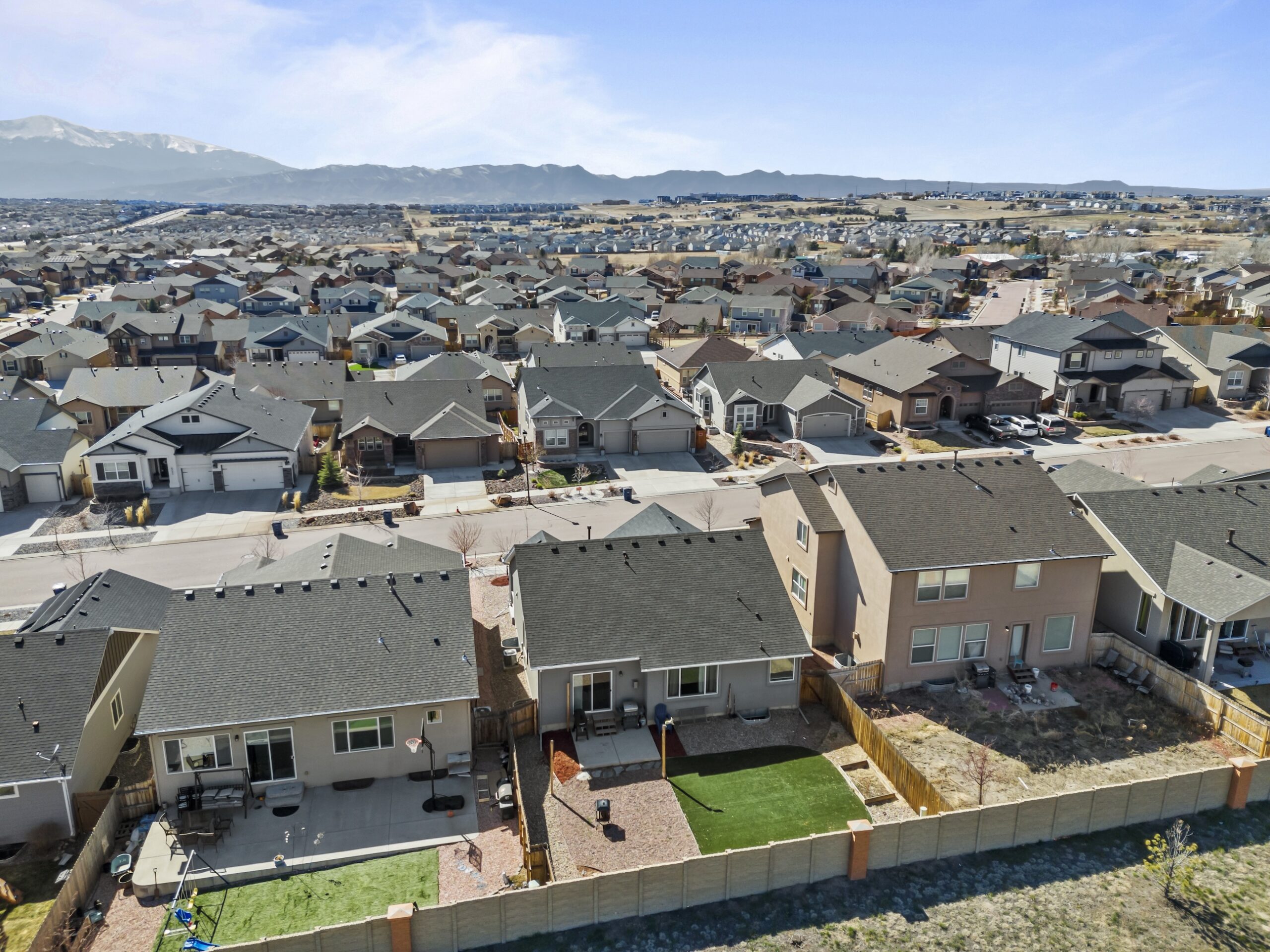
Hey friends — thanks for stopping by My Front Range Living. As I’m writing this, I’m sitting outside at the tiki bar (yes, in October). We love that in Colorado Springs you can still enjoy sunshine, blue skies, and a tiki drink well into fall — but even though the weather’s great, the Colorado Springs real estate market in 2025 feels… a little stuck.
In this post, we’re unpacking what’s really happening — from the latest numbers to what it means for buyers and sellers — plus a messy new wrinkle affecting condo and townhome affordability.
Whether you’re keeping tabs on your home’s value or thinking about moving to Colorado Springs, here’s what’s driving our market this fall — and why that “stuck” feeling might actually be a sign of balance.
🏡 The Big Picture: A Market Catching Its Breath
The data from Pikes Peak MLS shows that September 2025 looked a lot like August — and, frankly, a lot like last year. That’s not what we’re used to hearing after several years of wild swings, but in many ways, it’s exactly what our local market needs.
Here’s a quick breakdown of the most recent data:
| Metric | August 2025 | September 2025 | Year-over-Year (Sept 2024) | Takeaway |
| New Listings | 1,459 | 1,328 | 1,331 | Sellers remain cautious — fewer new listings |
| Closed Sales | 1,039 | 1,026 | 933 | Slight dip month-to-month, but up vs. last year |
| Average Sale Price | $566,443 | $565,356 | $535,023 | Flat monthly, modestly higher YOY |
| Median Sale Price | $480,000 | $479,450 | $485,000 | Essentially unchanged |
| Active Inventory | 4,139 | 4,010 | 3,392 | Inventory remains elevated |
| Days on Market | 43 | 54 | 44 | Homes are taking longer to sell |
(Based on September 2025 Pikes Peak MLS data)
So what does that tell us?
Prices are steady. Inventory is healthy. Homes are sitting longer. That’s not bad news — it’s just a different rhythm. The Colorado Springs housing market is catching its breath after years of whiplash.
A “flat” market isn’t a frozen one; it’s a stabilizing one. Sellers are adjusting to new realities, buyers are getting their footing, and the market is finding its balance between affordability and expectation.
🏠 What Sellers Should Know Right Now
Smart Pricing Wins
In a slower market, pricing strategy matters more than ever. Overpricing by even 2–3% can keep your home sitting for weeks — and online views drop fast once a listing goes stale.
Buyers today have more data, more time, and more listings to compare. They’re studying price histories and using AI-powered search tools that flag overpriced homes in seconds.
The truth? Well-presented, accurately priced homes are still moving — just not instantly.
If your home checks the boxes (great condition, clean, staged, and fairly priced), you’ll still see solid activity. But if you’re shooting for 2021’s prices, you might find yourself waiting through multiple price reductions and risk your home becoming “stale” in the eyes of buyers.
Patience Is the New Normal
Days on market jumped from 43 to 54 — that’s almost two months. A year ago, this would’ve felt like forever, but today, it’s simply reality.
Buyers are cautious. They’re factoring in higher insurance costs, higher property taxes, and rates that haven’t dropped as much as the headlines suggest. Many are waiting for a sign — whether that’s an interest rate dip, a job transfer, or just the confidence to take the leap.
That means sellers need to prepare for more “hurry up and wait.” You might have great showings followed by radio silence. Or a promising offer that takes a week to materialize.
Stay calm, stay flexible, and remember — the right buyer is still out there.
Preparation Matters More Than Ever
Curb appeal, staging, professional photos, and pre-listing maintenance make a world of difference right now. Buyers are picky — not because they’re ungrateful, but because they finally can be.
Homes that show well sell well. Period.
If you’re thinking of listing, do a quick audit: fresh coat of paint, fresh mulch, clean windows, updated light fixtures, and a deep clean can transform perception. It’s a slower market, but it’s not a forgiving one.
💸 The Condo & Townhome Insurance Problem
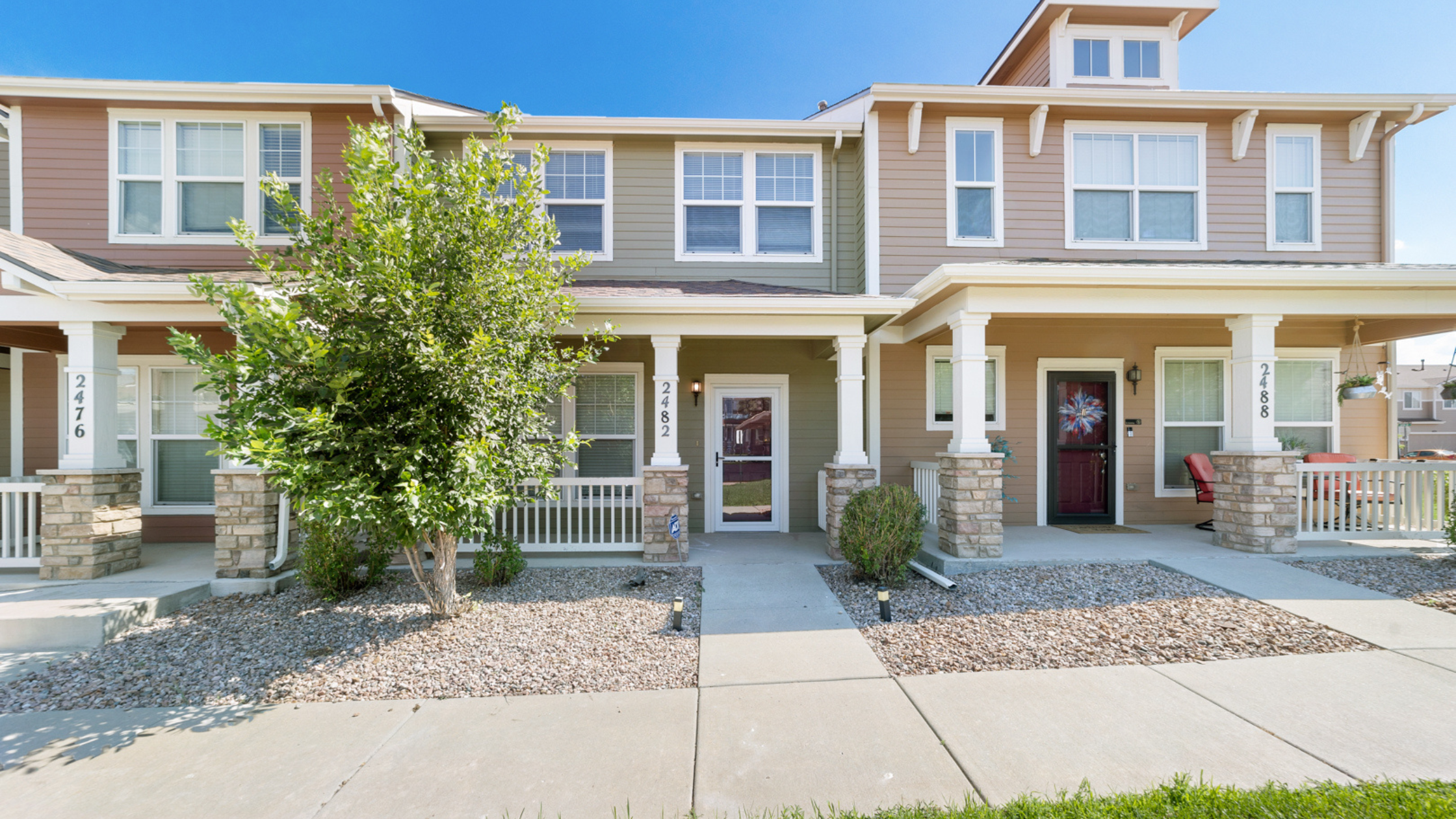
Let’s talk about what’s really making me grumpy lately — condo and townhome insurance.
We’ve had several deals fall apart this year because associations don’t carry the right kind of insurance for FHA, Fannie Mae, or Freddie Mac loans.
Here’s why that’s a big deal:
- In Colorado, a community’s wind/hail deductible must be 5% or less for a property to qualify as “warrantable” (eligible for federal loans).
- Many associations have bumped theirs to 10% to keep premiums affordable.
- That single decision effectively blocks FHA buyers — shrinking the buyer pool and hurting resale values.
It’s frustrating, especially since condos and townhomes are supposed to be our “affordable” housing entry points. Instead, they’re getting squeezed out of reach for many first-time or lower-down-payment buyers.
This is a big factor in the Colorado Springs affordability challenge — and it’s one that often gets overlooked.
💭 What Needs to Change
We need better alignment between risk management and accessibility. Associations face skyrocketing insurance costs, but homeowners shouldn’t lose financing options because of it.
Possible fixes could include:
- Adjusting state insurance guidelines to allow more flexibility on deductibles.
- Offering specialized coverage or subsidy programs for smaller HOAs.
- Creating clearer education for boards about the ripple effects of policy changes.
If you’re selling a condo or townhome, talk to your HOA now about their coverage. It could make or break your next sale — or limit who can even buy your home.
🧭 What Buyers Should Expect This Fall
More Choices, Less Pressure
Inventory is up year-over-year, which means buyers finally have breathing room. There’s less panic-buying and more space to make thoughtful decisions.
However, move-in-ready homes that are priced right still go fast. The difference is, instead of 15 offers in 24 hours, you might see two solid ones after a week on the market.
If you find “the one,” don’t hesitate — but also don’t rush out of fear. Balance is a good thing.
Rates Didn’t “Magically” Fix Affordability
Yes, rates dipped slightly over the summer, but not enough to solve the affordability equation.
Between rising insurance premiums, higher property taxes, and persistent inflation on everyday expenses, many buyers are still cautious.
That’s why “is now a good time to buy?” doesn’t have a universal answer. It depends on your life stage, your finances, and your goals — not a headline.
The smartest buyers in 2025 are the ones thinking long-term: Can I comfortably afford this home for the next 5–7 years, even if rates fluctuate?
The Local Reality Check
Colorado Springs remains one of the most desirable places to live in the state thanks to strong job stability. Between military, defense contracting, healthcare, and growing tech sectors, employment remains solid — and that stability underpins housing demand.
Even with higher costs, people continue moving here for lifestyle and opportunity. That’s what keeps our Colorado Springs housing market resilient, even when it feels “stuck.”
📊 Local Insight: Numbers in Context
- New listings dropped 9% from August to September — sellers are cautious.
- Active listings are down 3% month-to-month, but still 18% higher than last year. That means inventory is stabilizing, not shrinking.
- Sales are up 10% year-over-year, showing demand hasn’t disappeared, just normalized.
- Average sales price rose 5.7% YOY — steady appreciation, not explosive growth.
So no, this isn’t a crash. It’s a correction — and a healthy one at that.
Think of it as a “Goldilocks market”: not too hot, not too cold, just finding the right temperature.
🕒 Days on Market: The Pulse of Buyer Sentiment
Average days on market jumped to 54, up from 43 just a month ago. That number tells a story.
Buyers are hesitant — not absent. They’re weighing options carefully, watching rates, and negotiating harder.
For active buyers, that means leverage. You can ask for concessions, repairs, or closing cost help because sellers know patience is required.
For sellers, it means adjusting expectations. You’re not being ignored — you’re part of a slower, more methodical rhythm.
🌤 Why the Slowdown Isn’t a Crisis
Let’s address the elephant in the room: the “slowdown.”
When homes sit longer and price growth flattens, it’s easy for headlines to sound doom-and-gloom. But the truth is, the market is finally acting normal.
We’ve been spoiled by years of rapid appreciation, lightning-fast sales, and low interest rates. That was the exception, not the rule.
Now, we’re seeing:
- Seasonality return (fall is always slower).
- Buyers prioritizing financial comfort over FOMO.
- Sellers learning patience again.
And that’s good. It’s healthy. It’s sustainable.
This slowdown is the market’s way of catching its breath — not collapsing.
🔮 Looking Ahead to 2026
As we move into winter and peek toward 2026, several trends are worth watching:
- Interest rates are expected to stabilize — possibly edging lower, but not dramatically.
- Insurance and tax reform discussions are gaining traction statewide, which could improve affordability.
- Local job growth remains strong, with major defense and tech projects continuing to anchor demand.
- Pent-up buyer demand may resurface if confidence improves and rates ease slightly.
If you’re planning a move in 2026, now’s the time to start prepping — whether that’s improving your credit, saving for closing costs, or doing pre-sale home maintenance.
Next spring could bring a more active market, and those who prepare early will be in the best position to move confidently.
⚖️ So… What Does This Mean for You?
| You Are… | Your Best Move | Why |
| Selling Soon | Price competitively and showcase beautifully | Buyers are cautious — make your home irresistible |
| Thinking About Selling | Watch trends through fall | Timing could improve with holiday slowdowns |
| Buying Now | Be selective and ready to move | More inventory = better negotiation |
| Planning for 2026 | Monitor interest rates & inventory | You’ll have a clearer landscape by spring |
No matter where you fall on that list, the key takeaway is the same: knowledge is power.
Understanding the local market means making smarter, less stressful decisions — and that’s where we come in.
💬 Final Thoughts
The Colorado Springs real estate market in 2025 isn’t broken — it’s balancing.
And balance can be a good thing. It gives both buyers and sellers time to breathe, plan, and make confident, strategic moves.
If you’re thinking about buying or selling a home in Colorado Springs, we’d love to help you understand where the opportunities are — and what to avoid.
We’re here to help you every step of the way —
Helping You Make Colorado Springs Feel Like Home.
About The Author
 The team at My Front Range Living are a group of full time real estate experts serving Colorado Springs, El Paso County and the surrounding areas. Their knowledge of the local community and experience in the industry provide you incomparable value when buying or selling a home. With several years of experience in helping out of state buyers and sellers, they are the go-to team when it comes to relocating and helping Colorado feel like home. Click Here to book a consultation with us.
Even if you’re looking for an agent in another city or state, the My Front Range Living team has a network of experts that can connect you with the right professional.

Colorado Springs Relocation Guide
🏡 Moving to Colorado Springs? Download our FREE Colorado Springs Relocation Guide!
 Subscribe to our Youtube channel.